Ghost Kitchen Rental on Long Island
Launch a delivery-only food brand from a licensed Long Island kitchen — no dining room, no storefront, no build-out. You bring the menu and the brand; we provide the approved facility, the equipment, and the address.
Free, no-obligation walkthrough · Same-week availability
What a ghost kitchen actually is
A ghost kitchen — sometimes called a virtual kitchen, cloud kitchen, or delivery kitchen — is a licensed commercial food facility that produces orders for delivery and pickup only. There is no front of house, no servers, no tipping, and no dining room rent. Every dollar that would have gone into seating, decor, and a visible location goes into food, packaging, and marketing instead.
That model works extremely well on Long Island, where delivery demand is spread across dozens of towns rather than concentrated in one downtown. A ghost kitchen lets you serve Hempstead, Garden City, and Valley Stream from one facility, then add a second production block later to reach Huntington and Melville without opening a second storefront.
The tradeoff is that you need a licensed facility to cook in — delivery platforms, health inspectors, and commercial customers all expect one. Renting ghost kitchen space gives you that facility without the capital commitment of building it yourself.
Why rent a ghost kitchen instead of opening a restaurant
The honest math of a delivery-only brand is radically better than a restaurant on most days. No storefront lease on a high-traffic corner. No front-of-house staffing, no POS for dine-in, no furniture, no signage, no build-out. Your fixed costs drop to kitchen time, ingredients, packaging, and labor for the line.
That means lower break-even volume. A virtual restaurant can be profitable on order counts that would sink a traditional restaurant, which is exactly why so many first-time food entrepreneurs on Long Island start here rather than signing a ten-year lease.
It also means faster iteration. If a concept does not land, you change the menu or the brand and keep going, because you never committed to a physical identity. Plenty of successful delivery brands have been rebuilt two or three times inside the same rented kitchen before one caught.
No storefront lease
You pay for production time, not for retail square footage you never use.
No build-out or permits
The facility is already licensed, equipped, and inspected.
Lower break-even
Fixed costs stay small, so the order volume you need to profit is smaller.
Room to test concepts
Change the menu, change the brand, keep the same kitchen.
Built for delivery-only and virtual restaurant brands
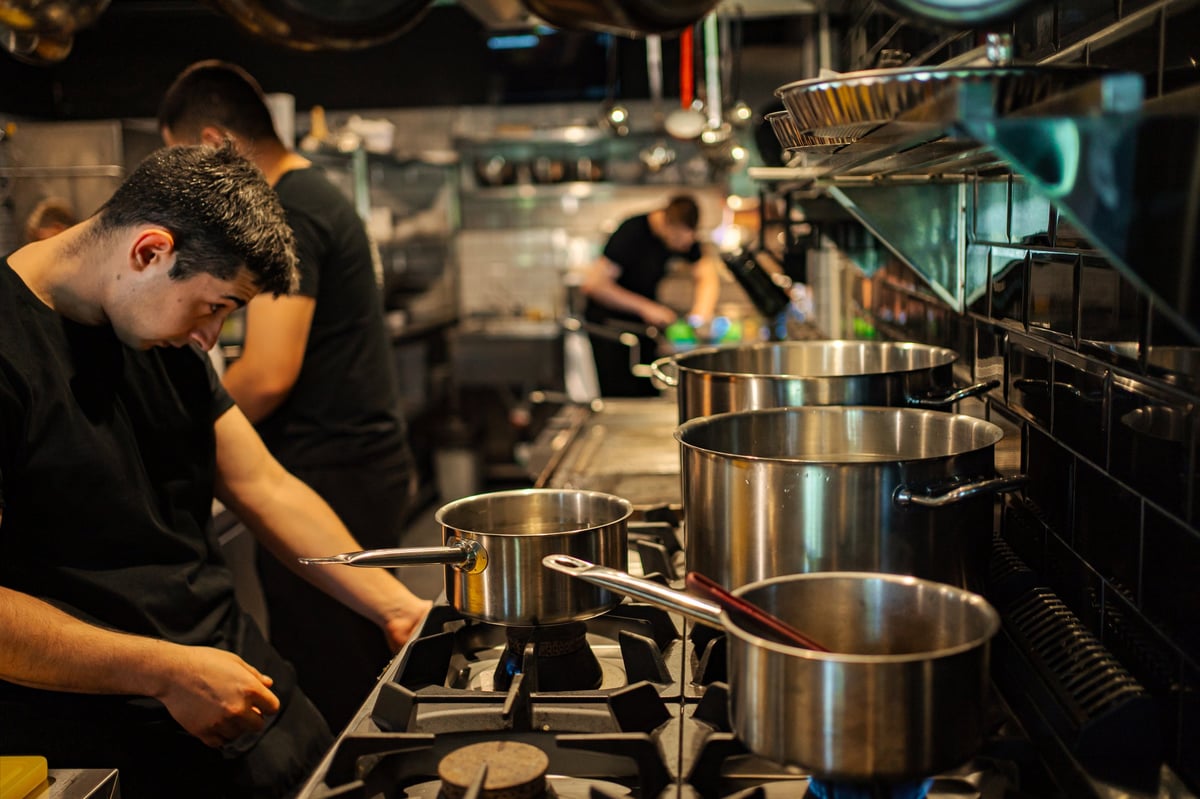
Our facility is set up for the way delivery kitchens actually operate: prep lines sized for volume, cold and dry storage for par levels, packaging and staging space, and loading access that makes driver pickup quick rather than chaotic.
If you are running multiple virtual brands out of one kitchen — a burger concept, a wing concept, and a late-night dessert menu sharing the same equipment — the schedule and storage allocation can be structured around that. Shared kitchen access means you are not paying for a private facility to run three menus.
For brands on DoorDash, UberEats, Grubhub, or a direct ordering site, a licensed kitchen address is a baseline requirement. Renting kitchen space gives you that plus the equipment capacity to actually keep up when a menu goes viral on a Friday night.
Cloud kitchen, virtual kitchen, delivery kitchen — same thing, different words
People search for this model using a lot of different phrases, and they all describe roughly the same setup. Ghost kitchen, cloud kitchen, virtual kitchen, dark kitchen, delivery-only restaurant, delivery kitchen rental — each emphasizes a different angle on a facility that cooks for off-premise orders.
We rent to all of them. If your business sells food that leaves the building in a bag, a box, or a delivery driver's hot case, this is the right kind of space. That includes single-concept virtual restaurants, multi-brand delivery operators, catering operations with delivery components, and packaged food brands selling direct to consumers.
If you are earlier than that — still testing whether the concept works at all — start with hourly kitchen rental and produce a limited run. You will learn more from one weekend of real orders than from a year of planning.
Ghost kitchen rentals in Nassau County and Suffolk County
We serve delivery-only brands across Long Island, New York, from a facility on Sunrise Highway (Route 27) in Wantagh. Sitting mid-island on the South Shore's main artery keeps delivery runs short in every direction — west toward the denser Nassau towns, east toward Babylon and Bay Shore, and north up Route 135 toward the Huntington and Smithtown corridor.
For a delivery business, drive time is the single biggest lever on food quality and driver economics. A central production kitchen means orders reach more of the island while they are still hot, and your delivery radius can cover more paying customers per driver hour.
Whether you are searching for a ghost kitchen rental in Nassau County, a cloud kitchen in Suffolk County, or a virtual kitchen near me anywhere on Long Island, come walk the facility. Fifteen minutes on site tells you more than any listing will.
Ghost Kitchen Rental on — FAQs
What is the difference between a ghost kitchen and a commercial kitchen rental?
They overlap heavily. A commercial kitchen rental is any licensed kitchen space you rent by time; a ghost kitchen is specifically a facility used for delivery-only and pickup-only food production. Our kitchen serves both — you rent the same licensed space whether you are running a virtual restaurant brand or a catering operation.
Can I run more than one virtual brand from the same kitchen?
Yes, and plenty of operators do. Multiple delivery concepts can share the facility and the equipment on a schedule that keeps them from colliding. We will help you map out storage and production blocks so each brand has its own space.
Do I need a storefront or a physical address for a ghost kitchen?
You need a licensed kitchen address, which is what renting one provides. You do not need a storefront, signage, or any customer-facing space. Delivery platforms and health inspectors need a real, approved facility — not a retail location.
How quickly can I start producing in a ghost kitchen?
Once you have toured the facility, been set up with storage, and completed orientation on the equipment and safety procedures, you can start producing. That is measured in days, not the months a restaurant build-out takes.
Is ghost kitchen space available hourly or only monthly?
Both. Hourly kitchen rental is the right starting point for testing a delivery concept, and monthly commercial kitchen rental makes more sense once your order volume is steady and predictable.
Which parts of Long Island do you serve?
All of Nassau County and Suffolk County, New York — including Hempstead, Garden City, Freeport, Valley Stream, Hicksville, Huntington, Melville, Farmingdale, Commack, Babylon, and Bay Shore.
Related kitchen rentals on Long Island
Looking for something slightly different? These pages cover the other ways food businesses rent kitchen space with us.
Commercial Kitchen Rental
The full picture on licensed commercial kitchen space for rent on Long Island.
Kitchen Rental
How renting kitchen space on Long Island works, and how to compare your options.
Shared Kitchen
Shared commercial kitchen access for brands that do not need a private facility.
Commissary Kitchen
Licensed commissary space for food trucks, carts, and mobile food vendors.
Food Production Kitchen
Higher-volume production space for packaged foods and larger batch runs.
Nassau County Kitchens
Kitchen rentals for businesses based in western and central Nassau County.
What is a ghost kitchen and how does it work?
From our commercial kitchen rental guide.
How to start a ghost kitchen on Long Island
From our commercial kitchen rental guide.
Start your ghost kitchen on Long Island
Tell us what you cook and roughly how much space you need. We'll come back with availability, rates, and a time to walk through the facility.
- Licensed, health-department approved facility
- Hourly, daily, weekly and monthly terms
- Storage, equipment and inspections included